

Top Local Welding Courses Near You
- go-welding
- Oct 21, 2025
- 3 min read
Learning welding can open many doors. Whether you want to start a new career or improve your current skills, finding the right course is key. I have researched the best nearby welding courses to help you get started or advance your expertise.
Finding Nearby Welding Courses That Fit Your Needs
When looking for welding courses near you, consider the type of welding you want to learn. Some courses focus on basic techniques, while others prepare you for certification. Check if the course offers hands-on training, as welding is a skill best learned by doing.
Look for courses that provide:
Small class sizes for personalized attention
Experienced instructors with industry knowledge
Flexible schedules, including evening or weekend classes
Certification preparation if you want to become a professional welder
Many local community colleges and technical schools offer welding programs. You can also find specialized welding schools that focus solely on welding skills.

What to Expect in Nearby Welding Courses
Most welding courses start with safety training. Welding involves heat, sparks, and fumes, so understanding safety rules is essential. After safety, you will learn about different welding methods such as MIG, TIG, and stick welding.
Courses usually include:
Introduction to welding tools and equipment
Basic welding techniques and practice
Reading blueprints and welding symbols
Metal preparation and joint types
Welding inspection and quality control
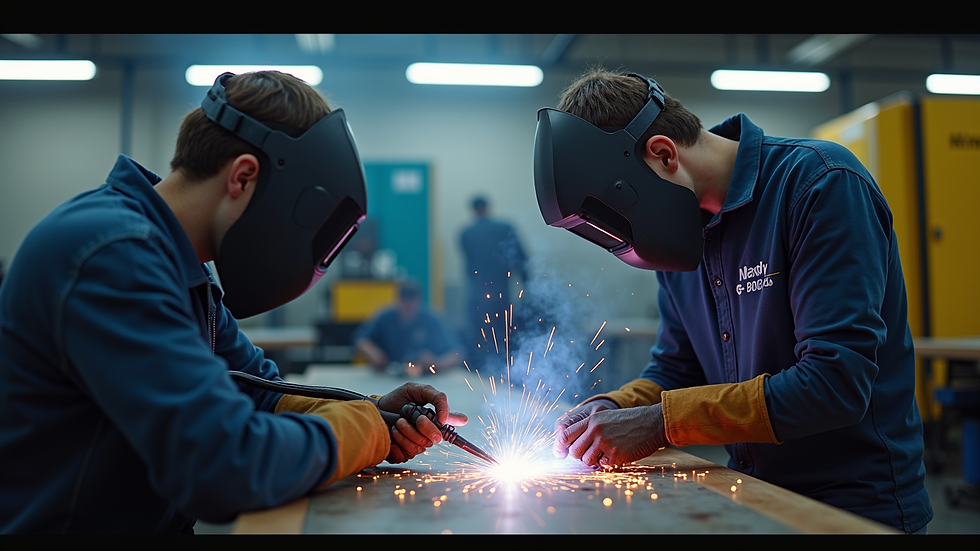
Hands-on practice is a major part of the course. You will spend time welding on different metals and joints. This practical experience helps build confidence and skill.

How Much Would a Welding Course Cost?
The cost of welding courses varies depending on the provider and course length. Basic courses can start around $1,000, while advanced or certification courses may cost $3,000 or more.
Factors affecting cost include:
Course duration (weeks or months)
Materials and equipment fees
Certification exam fees
Location and facility quality
Some schools offer financial aid or payment plans. It is worth asking about scholarships or discounts if cost is a concern.
Investing in a welding course can pay off by increasing your job opportunities and earning potential.
Benefits of Choosing Local Welding Courses
Choosing local welding courses has several advantages. You can save on travel time and costs. Local schools often have connections with nearby employers, which can help with job placement after you finish.
Local courses also allow you to build a network within your community. This can be valuable for finding work or apprenticeships.
For example, local welding courses often provide tailored training that meets the needs of local industries. This means you learn skills that are in demand nearby.
Steps to Enroll in a Welding Course Near You
Enrolling in a welding course is straightforward. Follow these steps:
Research courses in your area online or visit schools in person.
Check course details, schedules, and costs.
Contact the school to ask questions or request a tour.
Complete the application form and submit any required documents.
Register for the course and pay any fees.
Attend orientation and prepare for your first class.
Make sure to ask about the certification options available. Some courses prepare you for AWS (American Welding Society) certification, which is widely recognized.
What You Can Do After Completing a Welding Course
After finishing a welding course, you can pursue several paths:
Apply for entry-level welding jobs in construction, manufacturing, or repair
Continue training for advanced welding certifications
Start your own welding business or work as a freelance welder
Join an apprenticeship program to gain more experience
Many employers value certified welders. Certification proves your skills and knowledge meet industry standards.
Continuing education and practice will help you stay current with new welding technologies and techniques.
Final Thoughts on Nearby Welding Courses
Finding the right nearby welding course can set you on a path to a rewarding career. Focus on courses that offer hands-on training, experienced instructors, and certification options. Consider your budget and schedule to choose the best fit.
Remember, welding is a skill that improves with practice. Take advantage of local resources and training programs to build your expertise.
If you want to start learning today, check out local welding courses that can help you gain valuable skills and boost your career.
This guide aims to help you find practical and accessible welding courses nearby. With the right training, you can develop skills that open doors to many job opportunities.



Comments