

Prioritising Safety in Local Welding Courses: The Importance of Welding Safety
- go-welding
- Jan 20
- 4 min read
When I first started learning welding, safety was the first thing my instructor emphasized. Welding involves heat, sparks, and potentially harmful fumes. Without proper safety measures, accidents can happen quickly. That is why prioritising safety in local welding courses is essential. It protects learners and helps them build good habits for their future careers.
Why the Importance of Welding Safety Cannot Be Overlooked
Welding is a skilled trade that requires attention to detail and respect for safety protocols. The risks include burns, eye damage, electric shock, and inhaling toxic fumes. These dangers make safety training a critical part of any welding course.
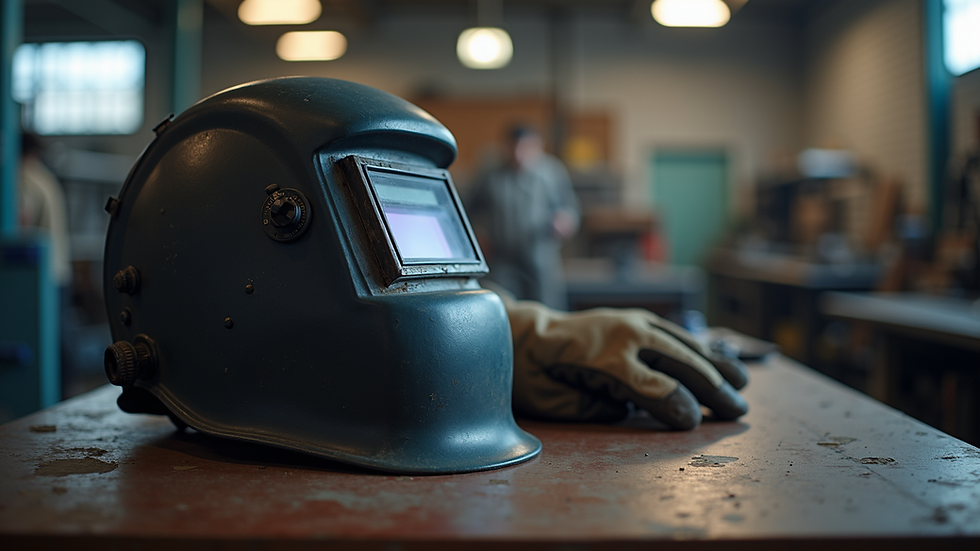
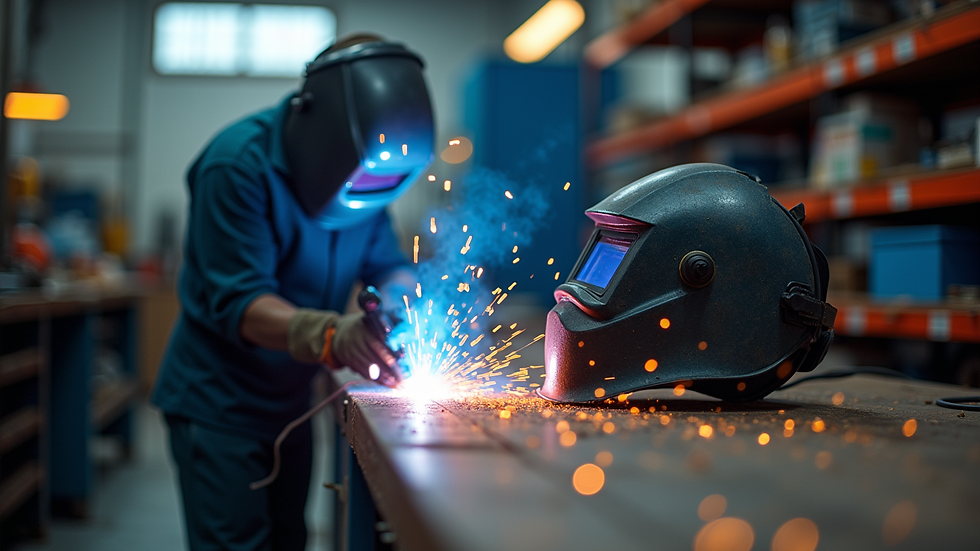
In local welding courses, safety is not just about following rules. It is about understanding why those rules exist. For example, wearing a welding helmet with the correct shade protects your eyes from intense light and sparks. Gloves and flame-resistant clothing shield your skin from burns. Ventilation systems reduce exposure to harmful gases.
Ignoring safety can lead to serious injuries or long-term health problems. It can also slow down your learning process if you get hurt or have to stop working. That is why I always recommend choosing a welding course that puts safety first.
Essential Safety Practices in Welding Training
In my experience, the best welding courses teach safety from day one. Here are some key safety practices that every welding student should learn and follow:
Proper Personal Protective Equipment (PPE)
Always wear a welding helmet, gloves, flame-resistant jacket, and safety boots. PPE is your first line of defense against burns, sparks, and UV radiation.
Work Area Preparation
Keep the workspace clean and free of flammable materials. Ensure good ventilation to avoid inhaling fumes.
Equipment Inspection
Check welding machines, cables, and gas cylinders before use. Faulty equipment can cause electric shocks or fires.
Safe Handling of Materials
Use clamps and supports to hold metal pieces securely. Avoid holding workpieces with your hands near the welding area.
Emergency Procedures
Know the location of fire extinguishers and first aid kits. Understand how to respond to burns, electric shocks, or fires.
By following these practices, students reduce the risk of accidents and create a safer learning environment.
How Local Welding Courses Incorporate Safety Training
Local welding courses often include both classroom instruction and hands-on practice. Safety training is integrated into every part of the course. Here is how it typically works:
Classroom Sessions
Students learn about welding hazards, PPE, and safety regulations. Instructors explain the reasons behind each safety rule.
Demonstrations
Instructors show how to set up equipment safely and use protective gear correctly.
Supervised Practice
Students practice welding under close supervision. Instructors correct unsafe behaviors immediately.
Safety Assessments
Some courses include tests or practical exams focused on safety knowledge and skills.
This structured approach ensures that safety is not an afterthought but a core part of the learning process.

Choosing the Right Local Welding Course for Safety
When looking for a welding course, safety should be a top consideration. Here are some tips to help you choose a course that prioritizes safety:
Check Accreditation
Accredited courses meet industry safety standards and have qualified instructors.
Ask About Safety Training
Find out how the course teaches safety and what PPE is provided.
Visit the Facility
Look for clean, organized workspaces with proper ventilation and safety equipment.
Read Reviews
Feedback from past students can reveal how seriously the school takes safety.
Consider Class Size
Smaller classes allow for more individual attention and better supervision.
By selecting a course that emphasizes safety, you protect yourself and set a strong foundation for your welding career.
Building a Career with Safety in Mind
Safety is not just important during training. It is a lifelong priority for anyone working in welding. Employers value welders who understand and follow safety protocols because it reduces workplace accidents and downtime.
As you gain skills and certification, keep safety at the forefront. Use the knowledge and habits developed in your local welding course to work confidently and responsibly. This approach will help you advance your career and maintain your health.
If you want to learn more about welding safety or find a local course that fits your needs, consider visiting Welding School Ltd. They focus on safety and skill development for beginners and professionals alike.
Staying Safe Beyond the Classroom
Safety in welding does not end when the course finishes. It is important to continue practicing safe habits on the job and at home. Here are some ongoing safety tips:
Always inspect your equipment before use.
Keep your PPE in good condition and replace it when needed.
Stay updated on safety standards and best practices.
Report unsafe conditions or equipment immediately.
Never rush a job; take time to work safely.
By making safety a daily habit, you protect yourself and those around you.
Prioritising safety in local welding courses is essential for learning effectively and building a successful career. It protects you from injury and helps you develop professional habits. When choosing a course, look for one that integrates safety training thoroughly. Remember, welding is a valuable skill, but it must be practiced with care.


Comments