

Mastering Hands-On Welding Skills: Essential Welding Skills for Success
Welding is a practical trade that requires more than just theoretical knowledge. To become proficient, you need to develop essential welding skills through practice and experience. In this post, I will share clear, actionable advice on how to master welding techniques and prepare for professional certification. Whether you are starting from scratch or aiming to improve your craft, this guide will help you build a solid foundation.
Understanding Essential Welding Skills
Before you start welding, it is important to understand the core skills you need. These skills form the base for all types of welding work and help you produce strong, clean welds.
Safety Awareness: Welding involves heat, sparks, and fumes. Knowing how to protect yourself and others is critical. Always wear proper gear like helmets, gloves, and flame-resistant clothing.
Equipment Knowledge: Learn how to set up and maintain welding machines. This includes understanding different types of welders such as MIG, TIG, and Stick welding.
Material Preparation: Properly clean and prepare metal surfaces before welding. This ensures better adhesion and reduces defects.
Welding Techniques: Master the basic welding motions and angles. Practice steady hand movements and control the speed of your weld.
Inspection and Quality Control: Learn to identify good welds and spot common problems like cracks, porosity, or undercutting.
These essential welding skills are the building blocks for any welding project. Focusing on them will improve your results and help you progress faster.
Developing Practical Welding Techniques
Hands-on practice is the best way to develop your welding skills. Here are some steps to guide your training:
Start with Simple Projects
Begin by welding small pieces of scrap metal. Try different joints like butt, lap, and T-joints. This helps you get comfortable with the equipment and techniques.
Control Your Welding Speed
Moving too fast or too slow can weaken the weld. Practice maintaining a consistent speed to create smooth, even beads.
Focus on Proper Angles
Hold the welding torch at the correct angle, usually between 10 and 15 degrees from vertical. This improves penetration and bead shape.
Use the Right Settings
Adjust voltage, amperage, and wire feed speed based on the metal type and thickness. Experiment to find the best settings for each task.
Practice Different Welding Processes
Try MIG, TIG, and Stick welding to understand their strengths and limitations. This versatility will make you a more skilled welder.
Record Your Progress
Keep a welding journal. Note the settings, techniques, and results for each practice session. This helps you track improvements and learn from mistakes.
By following these steps, you will build confidence and skill. Remember, welding is a craft that improves with repetition and attention to detail.
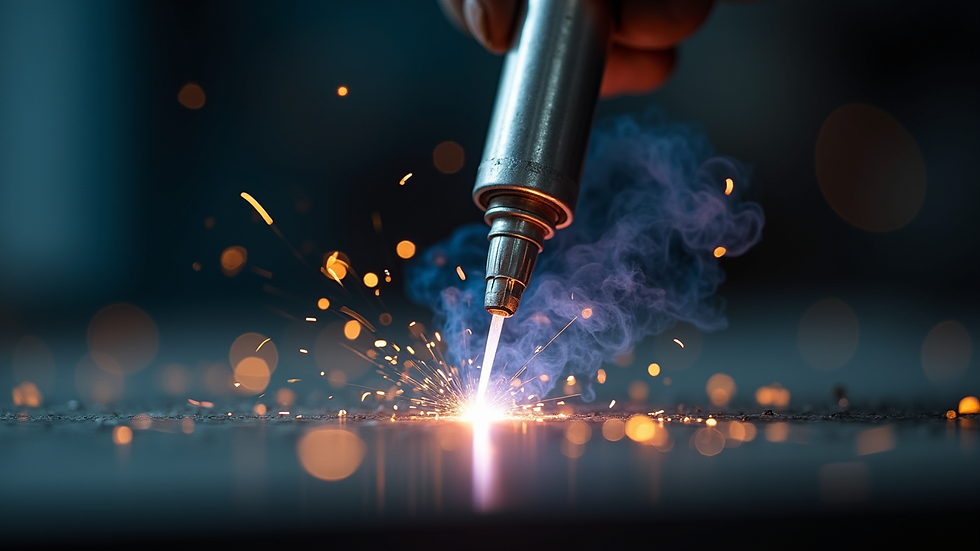
Tools and Equipment You Need to Master Welding
Having the right tools is essential for learning and performing welding tasks effectively. Here is a list of basic equipment every welder should have:
Welding Machine: Choose a machine suitable for your preferred welding process. MIG welders are good for beginners, while TIG welders offer precision.
Protective Gear: Welding helmet with auto-darkening lens, gloves, jacket, and boots.
Clamps and Fixtures: These hold metal pieces in place during welding.
Wire Brush and Grinder: For cleaning and preparing metal surfaces.
Measuring Tools: Tape measure, square, and calipers to ensure accuracy.
Chipping Hammer: To remove slag after welding Stick or flux-cored welds.
Maintaining your tools is just as important as using them. Regularly inspect cables, replace worn parts, and keep your workspace clean. This reduces downtime and improves safety.
How to Prepare for Welding Certification
Certification proves your welding skills to employers and clients. It requires both knowledge and practical ability. Here’s how to prepare:
Understand Certification Requirements
Research the specific tests you need to pass. These often include welding different joints and positions on various metals.
Practice Test Samples
Use sample test coupons to simulate certification tasks. Focus on producing welds that meet quality standards.
Review Welding Codes and Standards
Familiarize yourself with industry codes such as AWS (American Welding Society) or ASME standards.
Get Feedback
Have experienced welders or instructors review your work. They can point out areas for improvement.
Stay Consistent
Practice regularly to maintain steady technique and confidence.
Certification is a valuable step in your welding career. It opens doors to better jobs and higher pay.

Tips for Improving Your Welding Skills Quickly
Improving your welding skills takes time, but some strategies can speed up your progress:
Take a Welding Course
Enroll in a local welding school or community college program. Structured classes provide expert guidance and hands-on practice.
Watch Instructional Videos
Visual learning helps you understand techniques and troubleshoot problems.
Join Welding Forums and Groups
Connect with other welders to share tips and get advice.
Set Clear Goals
Define what you want to achieve each week or month. For example, mastering a specific joint or welding position.
Practice Different Positions
Welding flat, horizontal, vertical, and overhead positions builds versatility.
Keep Your Workspace Organized
A tidy area helps you focus and work efficiently.
By applying these tips, you can develop your skills faster and with less frustration.
Building a Career with Welding Skills
Once you have mastered the basics and earned certification, you can explore various career paths in welding. Some options include:
Structural Welding
Working on buildings, bridges, and infrastructure.
Manufacturing Welding
Producing parts and equipment in factories.
Pipeline Welding
Joining pipes for oil, gas, and water systems.
Automotive Welding
Repairing and fabricating vehicle parts.
Custom Fabrication
Creating metal art, furniture, or machinery.
Each path requires specific skills and offers different challenges. Continuing education and practice will help you advance.
If you want to develop your hands-on welding skills, consider joining a local welding school. They provide the tools, instruction, and environment to learn effectively.
Mastering welding is a step-by-step process. Focus on essential welding skills, practice regularly, and seek certification to boost your career. With dedication, you can become a skilled welder ready for any challenge.



Comments