

Mastering Hands-On Welding Skills: Essential Welding Skills for Success
Welding is a practical trade that requires more than just theoretical knowledge. To become proficient, you need to develop essential welding skills through practice and experience. In this post, I will share clear, actionable advice on how to master welding techniques and prepare for professional certification. Whether you are starting from scratch or aiming to improve your craft, this guide will help you build a solid foundation.
Understanding Essential Welding Skills
Before you start welding, it is important to understand the core skills you need. These skills form the basis of all welding work and are necessary for safety, quality, and efficiency.
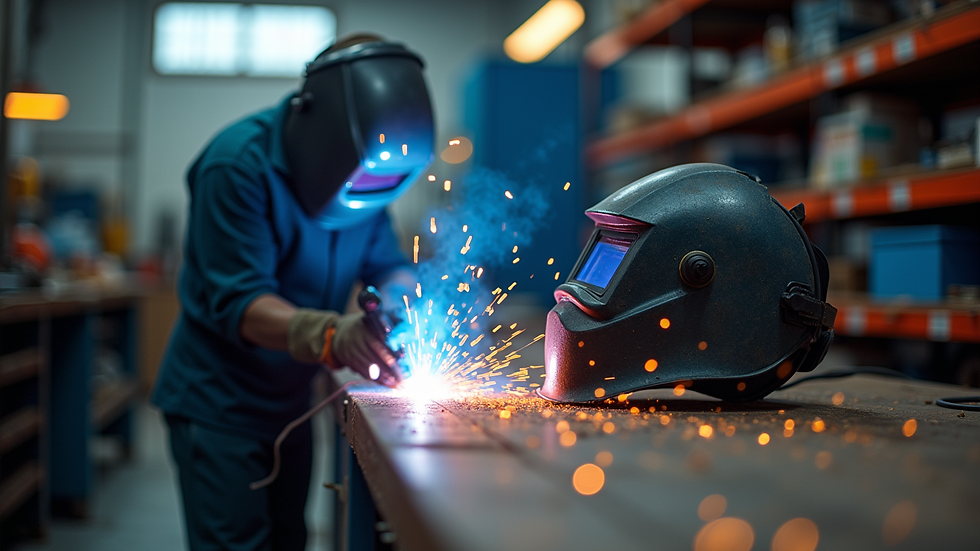
Safety Awareness: Welding involves heat, sparks, and fumes. Knowing how to protect yourself and others is critical.
Equipment Handling: Familiarity with welding machines, torches, and protective gear is essential.
Material Knowledge: Different metals require different welding techniques.
Welding Techniques: Mastering various welding methods such as MIG, TIG, and Stick welding.
Precision and Control: Being able to control the welding arc and maintain steady hand movements.
Each of these skills requires practice. I recommend starting with simple projects to build confidence and gradually moving to more complex tasks.

Developing Practical Welding Techniques
Hands-on practice is the best way to develop your welding skills. Here are some steps to help you improve your technique:
Set Up Your Workspace: Ensure your work area is clean, well-lit, and ventilated.
Prepare Your Materials: Cut and clean metal pieces before welding.
Practice Basic Welds: Start with straight beads on flat metal surfaces.
Focus on Consistency: Aim for uniform welds with even width and height.
Experiment with Positions: Practice welding in different positions - flat, vertical, overhead.
Adjust Settings: Learn to set the correct voltage, amperage, and wire feed speed for your machine.
Recording your progress and reviewing your welds can help identify areas for improvement. Use a magnifying glass or welding gauge to inspect your work closely.
Tools and Equipment for Welding Success
Having the right tools is as important as skill. Here is a list of essential equipment you should be familiar with:
Welding Machine: Choose the right type for your welding method.
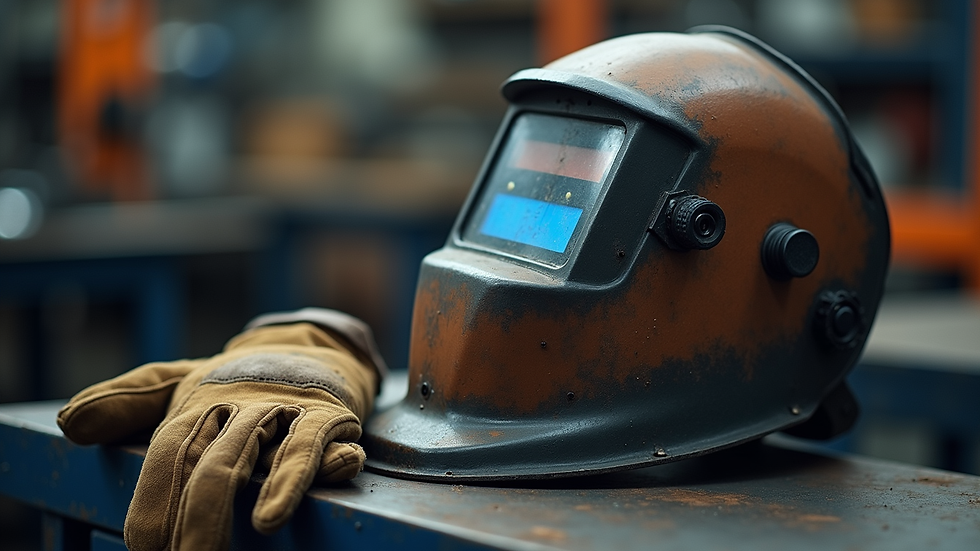
Protective Gear: Helmet with auto-darkening lens, gloves, apron, and boots.
Clamps and Fixtures: To hold metal pieces steady.
Wire Brush and Grinder: For cleaning and finishing welds.
Measuring Tools: Tape measure, square, and welding gauge.
Investing in quality tools will make your work easier and safer. Regular maintenance of your equipment also ensures consistent performance.
Building Confidence Through Practice and Feedback
Confidence comes with experience. To build yours, practice regularly and seek feedback from experienced welders or instructors. Here are some tips:
Join a Welding Class: Structured learning helps you progress faster.
Work on Real Projects: Apply your skills to practical tasks.
Ask for Critiques: Constructive feedback helps you improve.
Record Your Work: Take photos or videos to track your progress.
Stay Patient: Welding is a skill that improves over time.
By focusing on steady improvement, you will develop the precision and control needed for professional work.
Preparing for Certification and Career Advancement
Certification is a key step for anyone serious about welding as a career. It proves your skills and opens job opportunities. Here’s how to prepare:
Understand Certification Requirements: Research the standards and tests you need to pass.
Practice Test Welds: Simulate certification tests to build confidence.
Review Welding Codes: Learn the relevant codes and standards for your region.
Maintain Safety Standards: Demonstrate safe work habits during tests.
Keep Learning: Stay updated on new techniques and equipment.
Achieving certification shows employers you have mastered essential welding skills and are ready for professional work.
Taking the Next Step in Your Welding Journey
Mastering welding takes time and effort. By focusing on the fundamentals, practicing regularly, and preparing for certification, you can build a rewarding career. Remember, developing hands-on welding skills is the key to success. Keep learning, stay safe, and take pride in your work.
If you want to start or improve your welding skills, consider enrolling in a local welding school. They provide the tools, guidance, and environment you need to succeed. Your future in welding starts with the right training and dedication.
This guide is designed to help you take practical steps toward mastering welding. Use it as a reference and keep practicing. Welding is a skill that opens many doors, and with the right approach, you can achieve your goals.


Comments