

Discover the Transformative Power of Welding
- go-welding
- Sep 8, 2025
- 3 min read
Updated: Oct 8, 2025
The Importance of Welding Skills
Welding is a fundamental process in industries such as manufacturing, construction, and repair. It involves joining materials—primarily metals—using heat and pressure. Did you know that the global welding market is projected to reach $29.4 billion by 2026? This illustrates just how vital welding is to modern infrastructure and technology.
The need for skilled welders is surging, especially as infrastructure projects expand and technology advances. With many experienced welders nearing retirement, the job market is on the lookout for new talent. By mastering this skill, you enhance your employability and open the door to various career options.
Benefits of Learning Welding
1. High Demand for Skilled Welders
The welding industry faces a significant shortage of skilled workers. According to a report by the American Welding Society, nearly 400,000 welders are needed in the United States alone by 2024. With such high demand, welders can expect competitive wages, often exceeding $20 an hour for entry-level positions.
2. Diverse Career Opportunities
Welding skills can lead to fulfilling career paths, including:
Construction Welder: Engaging in projects ranging from residential buildings to large commercial complexes.
Manufacturing Welder: Working in factories to construct everything from automobiles to machinery.
Artistic Welder: Crafting unique sculptures and installations for public spaces and galleries.
Maintenance Welder: Ensuring the longevity of equipment in various industries by repairing and maintaining structures and machinery.
3. Personal Satisfaction and Creativity
Welding isn’t just about technical prowess; it also provides a platform for creativity. Welders often take pride in their work. For example, many artistic welders find that their sculptures not only beautify public spaces but also connect emotionally with viewers. The sense of accomplishment from seeing a finished project, whether it's a bridge or a beautiful piece of art, can be incredibly fulfilling.
4. Hands-On Learning Experience
Welding is a craft that thrives on practice. Learning through hands-on experience is often more engaging than traditional methods. In a practical setting, you get to troubleshoot challenges and witness immediate results from your efforts. Programs often include workshops where students practice with various welding techniques, providing a rich learning environment.

Getting Started with Welding
1. Find a Welding Course
The first step in your welding journey is to find a reputable course. Look for programs that emphasize hands-on training and cover essential topics such as safety and equipment usage. For example, Welding School Ltd in Dartford, UK, offers a popular "Introduction to Welding" course that combines theory and practical experience.
2. Understand the Safety Protocols
Safety is key when it comes to welding. Familiarize yourself with safety protocols and ensure you have the proper personal protective equipment (PPE). Common safety gear includes helmets, gloves, and fire-resistant clothing. Following these safety measures reduces the risk of accidents significantly, which is vital in a field where safety incidents are common.
3. Practice, Practice, Practice
Welding is a skill sharpened through regular practice. Take every opportunity to work on projects during your course. Studies show that welders who practice frequently can improve their skills by up to 50% in six months. The more you practice, the more proficient you will become.
4. Obtain Certification
Completing a welding course often leads to certification, enhancing your employability. A welding certificate demonstrates your commitment and informs potential employers of your capabilities. Many employers prefer certified welders, as it validates the skills you have acquired.

The Future of Welding
As we move forward, the welding industry will continue to evolve with technology. Innovations like robotic welding and laser welding are changing how we approach the craft. By learning welding now, you will be better equipped to adapt to these new techniques.
Furthermore, the skills you acquire in welding can be transferred to fields such as metal fabrication and machining. This adaptability makes welding a smart choice in the ever-changing job market.
Embracing Your Welding Journey
Welding is an excellent skill to learn, whether you're aiming to enhance your career or explore a new hobby. The demand for skilled welders is high, and the wide range of career opportunities coupled with opportunities for personal satisfaction makes it worthwhile.
By enrolling in a welding course, embracing safety protocols, and committing to continual practice, you will develop valuable skills for success in this trade. As the industry grows and diversifies, your welding skills will not only remain relevant but may also open even more doors for you.
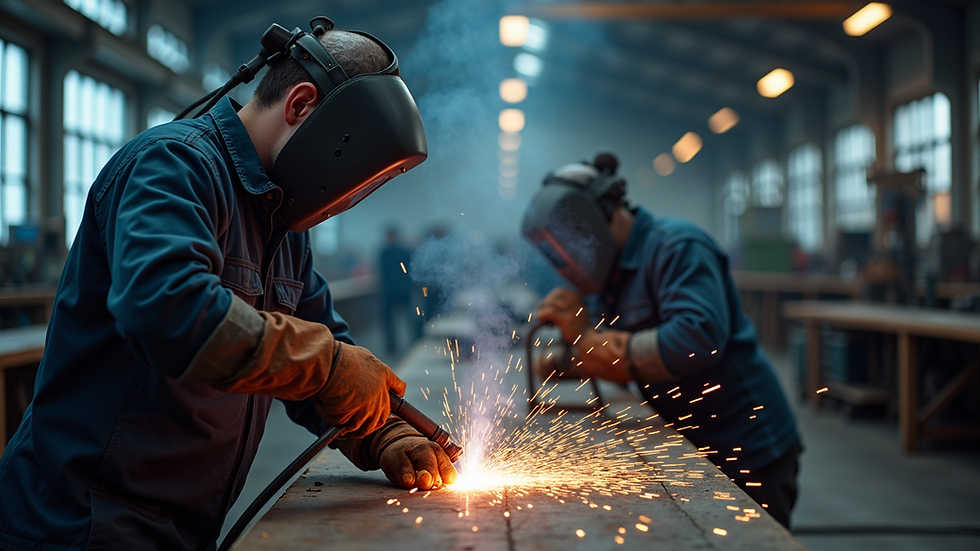
If you're ready to acquire new skills, consider welding for your next adventure. The challenges it brings are offset by the incredible rewards that come from learning, creating, and thriving in this dynamic field!



Comments